Showing posts with label cookbookery. Show all posts

Sunday, July 10, 2016

Cookbook Review: Asian Pickles

Title: Asian Pickles: Sweet, Sour, Salty, Cured, and Fermented Preserves from Korea, Japan, China, India, and Beyond
Author: Karen Solomon
Publisher: Ten Speed Press
Publication Year: 2014
Read: 2014-present (future, too, most certainly)
Where It Came From: Digital ARC direct from publisher + hard copy from library
Genre: Cookbook of International Delights
Rating: 5 Happy, Healthy Pickling Beds

Living in Japan cultivated in me a healthy respect for the pickle, far beyond the definition as I came to understand it in my youth (“pickle” being synonymous with “cucumber” to me at the time, and of which there were only the options of dill and sweet). Well, I suppose on my mother’s side of the family we had the purple, Pennsylvania Dutch tradition of pickled eggs, but to my southwestern born-and-bred palate, the color was shocking, as was the thought of a protein rather than the accepted vegetable being the subject of said pickling.

But in Japan, my concepts of what makes a pickle were broadened beyond my wildest dreams. After a trial by fire with umeboshi (seriously, my Western palate ignored the “pickled” part of the translation of “pickled plum,” and focused on the “plum” to expect something sweet. It was not sweet.), it was as if I had survived my hazing to join a not-so-secret society of briny, fermented, vinegary delights. The small side dishes of pickled vegetables to accent the meal became my favorite part of the spread at the dinner table with my host family, and I would question my host mom relentlessly about them. What vegetable? What do I eat it with? Local specialty? Homemade or store-bought? Which is not to say every pickle I encountered in my time living in Japan or in my travels around Asia was exactly to my tastes (I still remember fondly many occasions on the Kyoto city bus when I would suddenly get a hit of a really unpleasant smell and think, “Oh no, farts from strangers,” only to look around and see a little old lady holding a freshly purchased culprit package of some pickled item from the market), but I am rather proud of the fact that I would try at least once nearly anything offered to me.

And after my experiences with Japanese pickles, anything was fair game. Korean banchan! Pickles from Vietnam! I would try all the things!! I loved it all, but it never really occurred to me that these were things I could make at home. Well, it did occur to me, but it seemed like a magical process too esoteric and specialized for me to pull off on my own. Moving back stateside made it much more difficult for me to get my pickle-fix, and my mind turned to making pickles of my own. There were books out there with info about Japanese pickle-making, certainly, but it seemed time-consuming, with considerable expense for materials and special, difficult-to-source ingredients. I tried my hand at some simple Korean pickles, but nothing too complicated. I also made some quick fridge takuan daikon radish pickles for an aunt who enjoys them, but that was about the extent of my experimentation. Overall, I felt kind of blind in my pursuit of pickles like those I ate abroad.

And now we come to the actual book review. I was super excited to hear about Asian Pickles prior to its publication, because a book covering basic pickle traditions from countries across Asia, with an emphasis on accessibility, sounded like just the thing I was looking for. And it did not disappoint! The book covers pickles and pickle-adjacent foods from many Asian countries, from classics to pickles of the author's own creation inspired by the flavors and pickle-making techniques of the country, and from simple pickles with a broad appeal, to more complicated, challengingly flavored ones for those who have reached graduate-level in their pickle studies.

There are chapters devoted to Japan, Korea, China, India, and Southeast Asia (the latter containing recipes from Vietnam, Thailand, the Philippines, Indonesia, and Malaysia). Each chapter opens with a quick, fun look at the history and culture of pickles in that particular place, followed by suggestions and ideas for when and how to serve the pickles that follow, and a primer on basic techniques of pickle-making in the culture in question. And then the recipes, oh delightful recipes! The recipes for each country are divided or categorized in a way that makes sense for them. For example, Japan is divided into traditional recipes, and new recipes inspired by the traditional. India is divided into pickles and chutneys. Korea is divided into kimchis and banchans. And so on. The book is not intended to be a comprehensive treatment of pickles in each culture, but rather to provide an accessible way to bring traditional recipes, flavors, and techniques into your home, and to inspire you in your own creations and further forays into the world of Asian pickles. And accessibility is key to the author—in her introduction, she promises to provide DIY alternatives to special equipment, and to not ask readers to buy special tools or hard-to-find ingredients unless absolutely necessary to the success of a recipe. Any unfamiliar terms or ingredients can be found in the glossary at the back of the book (along with ideas on where you can buy them), and there is also a resource list of books, magazines, and websites for further research.

The writing is easy reading, fun, and humorous, like you’ve got a pickle-making friend who is just chatting with you about a mutual interest, sharing her tips and knowledge (one of my favorite tips—use a teaspoon instead of a potato peeler to peel away the thin skin of ginger and other rhizomes. Genius!). It’s as much fun to simply sit and read as it is to cook from. And the photos are absolutely gorgeous! I was having a Pavlovian response as I paged through the book, admiring the bright colors and imagining the walloping flavor punches packed by the pickles on the page. Overall, a great book and one I will be adding to my personal collection. I think next on my to-pickle list will be the Kyoto-specific, Kyoto-nostalgic senmaizuke , or “Thousand Slices” Turnips from page twenty-four.

*Additional important facts:

  • I ate some homemade kimchi before writing this.
  • I have a dog named Pickle, completely independent of any love I bear the food of the same name. (She had picked out her name long before I learned the joys of fermented veggies.)
  • Once, at a school I was teaching at in Japan, I was very surprised to find a huge glass jar of plums sitting in alcohol on the counter, which the teachers were making into umeshu. No one could understand why I was mildly shocked to find liquor being produced in the teacher’s workroom.

*As ever, much as we are grateful for the copy, our review is uninfluenced by its source.

Sunday, July 27, 2014

We are guest posters!!! :D

Not on our own blog, of course, but rather over at Girls in Capes! For July, they have been discussing the #WeNeedDiverseBooks movement, and invited us to do a guest post about diversity in cookbooks. If you feel so inclined, you can head over there and check out our spotlight on five cookbook authors who we feel demonstrate the diversity to be found in the field of American chefs and cookbooks. Click right here to check out some of our very favorite cookbooks of 2014 and the amazing chefs who created them! Girls in Capes also has some other diversity-related posts up right now concerning the fantasy genre and middle-grade books, so have a look at those, too, if you're interested. We hope you enjoy reading our post as much as we enjoyed writing it! Let us know what you think! :D

Wednesday, April 2, 2014

Cookery Bookery: The Kinfolk Table

Title: The Kinfolk Table: Recipes for Small Gatherings
Author: Nathan Williams with Rebecca Parker Payne
Publisher: Artisan
Publication Date: October 15th, 2013
Read: March 2014
Where It Came From: eARC from publisher via NetGalley*
Genre: Lifestyle-Manifesto-with-Recipes
Rating: 3 Shared Meals

This cookbook will always have the odd distinction of being the one where I opened it up to a random page while browsing and saw my cousin’s wedding photographer staring right back at me. Weird coincidence, right? Check out page 250. There he is! (Took really beautiful photos of the wedding, too.) …I’m trying to come up with some way to connect this to the cookbook itself and what I thought of it, but am failing. Basically I just wanted to share that little tidbit because it was completely unexpected and made me laugh. Okay, moving on.

Kinfolk Magazine is a popular small press quarterly that bills itself as “the lead entertaining magazine for young food enthusiasts and adventure-seekers” and “a blueprint for a balanced, intentional lifestyle.” I’ve seen the magazine in my wanderings about the internet, and the relaxed, simple, rural-hipster vibe appealed to me. I haven’t picked up a copy yet, so when I saw this cookbook by the same people come up on NetGalley, I thought it would be a good way to try it out and get a sense of what Kinfolk is all about.

I love everything that the founder of the magazine, Nathan Williams, talks about in his introduction. He discusses the rituals of gathering together with friends to cook and eat, and how this sort of entertaining inhabits some middle ground between simply hanging out and the rigid, la-tee-dah associations the word “dinner party” can have. He says the idea for the magazine was “born in the course of trying to describe those evenings spent with friends when the hours pass effortlessly, conversation flows naturally, cooking is participatory, and the evening ends with a satisfying sense of accomplishment.” The goal of the magazine is to demonstrate this idea of entertaining and to make it accessible to younger people like himself and his friends. What he describes as casual, meaningful entertaining is something I’m totally behind—I’ve experienced it often in my life, though I never really thought of it in those terms until I read what he’d written about it. Some of those experiences that immediately came to mind while reading included my junior year of college, when my flatmates (of whom Susan was one) and I were the odd ducks who did not subsist on pizza and cheetos, but had higher aspirations for our comestibles. We had an impressive collection of cookbooks and planned out all of our meals a week in advance, assigned people to cook each night of the week, and had a complicated but accurate system for dividing up the grocery bills. We ate dinner at the table together most nights, and for those roomies who could not attend we always saved leftovers. Our senior year, when Susan and I were test cooking for the newspaper column we wrote together, we often invited friends over to help in the process and partake of the results. Later, when I was living in Japan, the other foreign English teachers in my city and I instituted what we called Magic Mondays, where we would gather at one of our apartments and have a delicious dinner that the host cooked for us, talking and venting and laughing until it was time to go home and look forward to the next Monday, when we would descend upon whomever was next on the rotation schedule. Having experienced myself how fun, warm, and good-for-the-spirit these kinds of social interactions can be, I was excited to read about other people identifying and exploring that idea.

Saturday, March 8, 2014

Cookery Bookery: The Fresh Honey Cookbook

Title: The Fresh Honey Cookbook: 84 Recipes from a Beekeeper’s Kitchen
Author: Laurey Masterton
Publisher: Storey Publishing, LLC
Publication Date: September 10th, 2013
Read: March 2014
Where It Came From: eARC from publisher via NetGalley*
Genre: Cookbook
Rating: 3.5 Honey Varietals

I enjoy honey. It is known. Cookbooks featuring this delicious sweetener are something I naturally gravitate toward, and thus it is no surprise that I find myself reviewing this one. Unlike The Honey Connoisseur, which I reviewed previously, this one is first and foremost about cooking things. While it does provide some introductory information about bees, honey, and bee-keeping, it’s not as technical and super-detailed as Connoisseur. The Fresh Honey Cookbook definitely promotes an appreciation of all things bee and their relation to the environment, but the emphasis is on recipes.

The introduction relating author Laurey Masterton’s start in cooking and how she became involved with bee-keeping managed the magic trick of both making it seem like an achievable hobby, and also illustrating that there’s more to it than one might expect (as another beekeeper admonished her, “You can’t just leave them [the bees] alone, you know! … you need to help them. They are living beings, not lawn ornaments!”). Her experiences and how she faced the challenges of bee-keeping inspired me to entertain thoughts of one day keeping bees. Hmm, I wonder if there are zoning regulations against it in the city…what would Northwest Phoenix honey taste like?

Sunday, March 2, 2014

Cookery Bookery: Ivan Ramen

Title: Ivan Ramen
Author: Ivan Orkin
Publisher: Ten Speed Press
Publication Date: October 29th, 2013
Read: December 2013
Where It Came From: eARC from publisher via NetGalley*
Genre: Cookbook-food-memoir
Rating: 4 Slices of Chashu

I’m always interested in the experiences of other foreigners in Japan, having been one myself, and I’m also always interested in things published by Ten Speed Press (remember this lovely?). Based on these two facts, I was definitely planning on having a look at Ivan Ramen from the moment I first heard about it. The subtitle is “Love, Obsession, and Recipes from Tokyo’s Most Unlikely Noodle Joint”—I was completely on the same page with regards to the love and obsession I bear ramen (we’re talking Japanese ramen here, not the stuff you can grab at the grocery store for the low price of a dime and elevated blood pressure), but I had never before heard of this Tokyo ramen shop owned by an American guy. Of course, I’m certainly not an expert on everything that happens within Japan’s borders, and when I was living over there I wasn’t in Tokyo, had no TV, and was not super into the ramen following. But my curiosity was definitely piqued by a) the story of a white dude opening a ramen place in the ramen motherland, and b) actual ramen recipes, which are not too easy to come by in English.

 photo DSC00708_zpsf63d9410.jpg
While we were living in Japan, a friend and I made a pilgrimage to the famous ramen restaurant Ippudo in Fukuoka.

 photo DSC00709_zps93986c6e.jpg
It was a busy place, but we were seated right away and the food was GOOD!

Sunday, October 27, 2013

Cookery Bookery: Pok Pok, by Andy Ricker with JJ Goode

Title: Pok Pok
Author: Andy Ricker with JJ Goode
Publisher: Ten Speed Press
Publication Date: October 29th, 2013
Read: September 2013
Where It Came From: eARC from publisher via NetGalley*
Genre: Cooking
Rating: 5 Phrik

I almost went to Thailand once. While I was teaching in Japan, a friend and I planned to take a trip there one summer, but there was some unrest going on at the time we needed to be booking tickets. To err on the side of safety, we forewent our Thailand plans and visited Bali instead (a real hardship, I know). Bali was, of course, lovely and we had a great time. The food was lip-smackingly delicious, and I encountered my favorite rhizome, galangal, for the first time (it’s like ginger, only better!). Though I am no longer situated in that general area of the globe, I would still like to visit Thailand someday, and this cookbook has further cemented that desire in my mind. I love Thai food, but am by no means an aficionado. Pok Pok makes me want to become one.

How many chef/cook/restaurateurs can say they’ve appeared on Diners, Drive-Ins, and Dives AND won a James Beard Award? I don’t know the actual number, but I would hazard to guess “not many.” I guess that’s to whole point of Triple D, though—you don’t have to go to a fancy, trendy, exorbitantly priced restaurant to get great food. For a long time I have wanted to eat at Ricker’s much-loved Pok Pok restaurant in Portland, and this cookbook, inspired by his adventures eating in Thailand and his desire to share the joy of Thai food with others, was my most anticipated cookbook of 2013.

He makes a point to say it’s not a Thai cookbook, though—rather, it is a collection of recipes, seen through the lens of his travels to Thailand and other places, that are the result of his drive to recreate something as close as possible to his favorite things that he ate in those countries. He spends a lot of time in Northern Thailand, so yeah, there are a lot of Northern Thai recipes. He explains that through much trial and error he has found how to replicate authentic Thai flavors using ingredients available in the Western world and how to convey these techniques and flavors to others, first through his restaurant Pok Pok, and now through this book with the same name. He describes his goal for the book thusly:

“My hopes for this book are simple: to show you how to cook some of the dishes that made me fall for Thai food and to provide a sense of place—context for a country, culture, and cuisine that can be so inscrutable to an outsider, which I once was and in many ways still am.”
Beautifully and simply put.

In the introduction, I loved reading about how Ricker got to this point in his life—how he came to fall in love with Thai cuisine, how he ended up opening a restaurant, and his hard-won success. He is very down-to-earth in his approach, and the whole tone of the book sounds like you’re just hanging out, listening to stories from a buddy who knows a lot on the subject of traveling and eating in Thailand and would like to share some of what he’s learned over the years. He dispels the myth of “authentic” and “traditional” with regards to food, explaining that there is no Platonic ideal, no “right” way to make a certain thing. People in one part of the country may add, say, tomatoes to a certain dish, and people in another part of the country may not. It doesn’t mean one is more “authentic” than the other. He also doesn’t look down on Americanized “pick-a-protein” Thai food either, instead viewing it as a gateway to get people interested in other Thai fare. He states that he doesn’t consider himself a chef and he’s not putting his own spin on Thai—he’s a “proud copycat,” and as this book is his best effort at replicating his favorite things that he’s eaten in Thailand, the credit goes to the Thai people who have cooked and perfected them. And I agree with him—credit to the Thai people for inventing and perfecting this stuff, but credit to Ricker as well for being fastidious, motivated, and perseverant enough to bring it stateside.

In the “How to Use This Book” section that follows the intro, he seeks to dispense with the notions that a) Thai food is too much work to make at home, and b) you can’t make Thai food in the US, but at the same time he wants to acknowledge the effort involved in making it. In his words, “You shouldn’t be dissuaded by nonsense, but you should know exactly what you’re getting into.” And there is admittedly a lot of commitment involved in making these recipes, whether it’s monetary (in buying the ingredients and investing in the equipment), or time (for completing all the steps to pull a recipe together), but he has convinced me that it’s both doable and worth it. This section covers a lot of important and thoughtful information, ranging from substitutions, to the difficulty of seasoning to taste in a cuisine where you might not be sure how it’s supposed to taste, to how to eat the food. He is thorough in his explanations and unerring in his choices to do things a certain way—he talks about why he made the choices he did in creating the cookbook and what he’s hoping to accomplish, and I was right there with him all the way. It all made sense and it all felt right.

The design of the book is great—very colorful, fun, and well organized. The photos of people and places in Thailand sprinkled throughout the book are both evocative of the culture and transporting, and I am a big fan of the simple photo staging for the recipes. The perspective is a bird’s-eye view looking down on a plate of the prepared food (plus any accompanying sauces and condiments you make to go with it), with the plate sitting on a simple, uncomplicated (often colorful or wooden) tabletop or countertop. This puts the focus smack-dab on the colors and textures of the food, which might as well be whispering eat me, eat me... As it is one of my cookbook pet peeves, I am happy to say that there are photos for all the finished dishes—yay!!! There aren’t photos with the rice cooking instructions or to go along with the recipes for condiments and sauces in the final chapter of the book. The rice—okay, fine, I’ll give him that one. But I would’ve liked some helper photos to go along with the sauce and condiment recipes.

In broad terms, the recipes in the book cover the categories of dishes eaten family-style with rice, one-plate meals, and sweets. Within the category of the smorgasbord family-style dishes, there are chapters dedicated to rice, the papaya salad and its brethren, other Thai “salads,” fish, stir-fries, Thai minced meat salads, grilled foods, curries and soups, and chile dips. Due to the inadequacy of single English words to properly translate and convey the meaning behind the Thai words for these groupings of food, there is often fascinating (to me at least, in all my language-nerdiness) discussion of what the names for these categories actually mean. Following those chapters are ones dedicated to the aforementioned one-plate meals, “foreign food” (including Chinese and Vietnamese dishes), sweets, and the final chapter of recipes for things like stock, condiments, and other pantry staples.

Here’s a rundown of some more components of the cookbook that I love:

  • For recipes with steps that can be done in advance, he includes a plan of attack for how to break it down and make it easier to accomplish.
  • At the beginning of each recipe he lists what special equipment will be needed to prepare it, so there’s no getting halfway through and then going, crap, I don’t have a granite mortar and pestle! or something like that.
  • For each recipe he provides a flavor profile, giving guidelines such as “slightly sweet,” “tart,” “smoky,” and so on, to help you nail the flavor for a dish you may have never tasted or attempted to cook before.
  • He also provides suggestions of other dishes to go along with each recipe.
  • Before getting to the recipes, he gives a rundown of the veggies, fruits, herbs, spices, noodles, and other ingredients (things like fish sauce and shrimp paste) used in Thai cooking, and there are labeled photos to help you identify them when shopping.
  • He also lists out the special equipment and utensils needed to make these dishes (things like woks and the above-mentioned mortar and pestle), and there is a picture showing them. The picture isn’t labeled like the foodstuffs one is, but it might be helpful if it were.
  • He gives a list of online retailers where you can buy many of these ingredients and equipment in case you don’t have a well-stocked Asian or Thai grocery near you.

As for negatives? Aside from my quibbles about wanting pictures included in the chapter of sauce/condiment recipes and labeling on the equipment/utensil photo, I’d be hard-pressed to find any. Probably the main negative, for some readers, at least, would be the complexity of many of the recipes, and the cost and effort (and in some cases, difficulty) involved in acquiring the ingredients and tools necessary to execute them. But having read through the book, I understand why it’s that way and I’m totally okay with it. More than that, though, I think the value of this book exceeds that of a simple cookbook. It certainly has great value as a book of recipes, but it’s more than just that—it’s a repository of Thai culture as experienced and seen through food and the human interactions surrounding that food’s preparation and consumption. It shows how culture, language, and food are all inextricably entwined, and it shines a light on the people, friendships, interactions, stories, events, adventures, and ingredients that all play a part, leading to the dish you have sitting on the table (or in the book) before you. Here, it’s about Thai food, but the same is true of food anywhere. And it is a pleasure to read.

If you buy this cookbook wanting to sit down tonight and make Thai food, you may be a little disappointed. But Ricker has convinced me that the wait and effort to get the necessary tools and ingredients for making these recipes will be worth it. Even if I had no intention of cooking any of the recipes in Pok Pok, I would still want it on my shelf. It’s so full of beautiful images, truly fascinating information, stories and anecdotes that draw you in, and sincere, funny, heartfelt writing. I absolutely loved it.

Two last things—pok pok is the onomatopoeia in Thai for the sound of a pestle hitting a mortar, and phrik are chiles.

*As ever, much as we are grateful for the copy, our review is uninfluenced by its source.

Wednesday, September 11, 2013

Recipe: Fried Chili Corn, from the Mighty Spice Express Cookbook

 photo photo8_zps9375127b.jpg

Remember this cookbook? We recently reviewed it here, and enjoyed it very much! Now, as promised, we have a recipe from it to share with you.

I love spices and exotic flavors in food, but don’t always have a lot of time to devote to cooking a huge, complicated meal. Why should we have to sacrifice flavor when we’re short on time? Well, we don’t! And this cookbook has plenty of options showing how to simultaneously achieve the goals of “yum” and “fast.” Wanting to make the most of my advanced reader’s copy of the book, I decided to try out John Gregory Smith’s recipe for fried chili corn. His inspiration for this one came from a family vacation in Thailand (let’s take a moment to let that one settle in…), and the fried corn snack prepared for them by the very talented chef at the house they stayed at on Phuket. I chose this recipe from the book because I feel it exemplifies the fast-but-tasty frame of reference of the book as a whole, and it’s deliciously crunchy and addictive. I can see this being the perfect snack to munch on by the pool or at a summer barbecue. The author recommends having it with a beer, and I must say I agree with that pairing wholeheartedly!

Fried Chili Corn

(Reproduced with permission from John Gregory Smith’s Mighty Spice Express)

Ingredients:
3 1/4 cups sunflower oil
9-ounce can whole kernel corn
1/4 cup corn starch
1 teaspoon chili powder
1 teaspoon Chinese five-spice powder
Sea salt

Heat the oil in a deep pan over high heat. Meanwhile, drain the corn thoroughly in a colander. Pour it into a mixing bowl and add the corn starch, chili powder, Chinese five-spice powder and 1 1/2 tablespoons cold water. Stir everything together well so the corn is completely coated with the corn starch and spices.

Using a slotted spoon, carefully transfer the corn to the hot oil. Stir, then deep-fry 3 minutes, or until golden and crunchy. Remove from the oil and drain very well on a plate lined with paper towels. Add the corn to serving bowls and season with salt. Serve with ice-cold beer.


In the interest of full disclosure, I used the more typical 15-oz. can of corn, and it worked out fine. I also substituted peanut oil for sunflower oil, since it was what I had on hand and it holds up well to high temperatures. The recipe notes that it will serve 2 and be ready in 10 minutes—mine would probably serve more than two (no surprise, as I used more corn), and it took me about 20 minutes to prepare, since due to pan size I had to fry the corn in 3 separate batches. My first batch turned out best—I think in the waiting the spice-mixture-batter somehow slid off the remainder of the corn, and as a result the second and third batches didn’t turn out quite as nicely as batch number one. Still tasted great, though! Here, join me in the cooking process:

 photo photo_zps6d1ee002.jpg
Ingredients assembled!!!

 photo photo2_zpsdb5f9c9e.jpg
Corn, corn starch, and spices assembled!!!

 photo photo3_zpsab2a3f8f.jpg
All stirred up. I added a bit more corn starch to suck up some of the corn juice that didn’t get completely drained away.

 photo photo4_zpsf77e64d0.jpg
Frying prettily in the oil.

 photo photo6_zps603a6939.jpg
Scooping time!

 photo photo7_zps29827d65.jpg
Out of the frying pan…

 photo photo5_zps284ffd8f.jpg
…into the paper toweled draining dish!

 photo photo9_zpsad5c8417.jpg
Season with salt to taste and it’s ready to be nommed.


 photo photo10_zpsb026c67d.jpg
Serve with beer for a great summer treat!

Thanks again to the author and publisher for allowing us to share this recipe!

Tuesday, September 10, 2013

Cookery Bookery: Mighty Spice Express, by John Gregory Smith

Title: Mighty Spice Express Cookbook
Author: John Gregory Smith
Publisher: Duncan Baird Publishers
Publication Date: October 1st, 2013
Read: August 2013
Where It Came From: eARC from publisher via NetGalley*
Genre: Cooking
Rating: 4 Cinnamon Sticks

I love spices and international food. Susan does, too! Check out our “about us” sidebar. See? It’s true! You know those stories about college students who subsist on ramen noodles and Sunny D? Yeah, that wasn’t us. We had a fantastic cookbook from which we derived 90% of our meals, planned each week’s meals out in advance, had a complex method of splitting grocery bills between all flatmates…in short, food was a priority in our lives, and delicious, adventurous food filled with tasty spices and herbs was the highest food priority of all. Mighty Spice Express reminds me a bit of that college go-to cookbook of yore, and brings back wonderful food-memories from that time in my life (like the time we blew out a blender motor trying to make falafel. and the time we attempted keftas from frozen lamb and ended up with an unchewable result. I could go on, but that subject could be a blog post unto itself!). The author’s love of spices and international inspiration are displayed in his first cookbook, Mighty Spice Cookbook, and in this follow-up he sought to highlight the “express” option when it comes to cooking—even if you don’t have much time, you can still have delicious international food! To achieve this end, he turned to street food for inspiration. How cool a job must that be, to travel the world and eat things and then invent recipes based off of it?

Well, he took his inspiration from street food around the world, and I found the resulting cookbook to be in turn very inspiring. The photography is gorgeous and drool-inducing, of course, and well-staged to help you imagine the locale from which the food originated. The majority of ingredients are easy to source, with some of the more exotic fare easy to track down in a specialty food shop, an international grocery store, or through the magic of the interwebs. (Hot lime pickle? I will probably need to go to the internet for that one.) Stories about his world travels at the beginning of the book and interspersed between recipes help provide context, and a primer on the different spices and seasonings involved in the book helps you get a handle on the flavors you’ll be playing with. Most importantly of all, though, the recipes are fantastic.

There were a few things that got the skeptical eye—sun-dried tomatoes appearing in salsa multiple times, for example. (That one actually made me paranoid enough to turn to Google and see if that’s something common that I just completely missed out on.) A recipe for a “green salsa” which sounded delicious and I had no complaint about, save that it might have been more appropriately called “guacamole.” (While not an expert by any means, I’m an admitted snob where Mexican food is concerned.) A preponderance of ingredients being described as “smoky.” (I actually wrote them down and made a list ranging from “yeah, that’s smoky” to “is that smoky…?”: Chipotles, paprika, bourbon, sun-dried tomatoes, maple syrup, tequila. You be the judge.) But for every eyebrow raised in skepticism, there were scads more things that made salivate in anticipation of cooking them.

The Good and the Could-Be-Better

  • As I mentioned above, the photos are beautiful and the food looks great. I just wish they were able to include photos for all the recipes! This would be especially helpful for some of the more exotic dishes, where the average reader may or may not have an idea of how the finished product is supposed to look.
  • On a related note, there are pictures of the included spices at the bottom of every recipe page for quick reference. It’s a cute idea, but it’s most useful if you can recognize spices at a glance. Additionally, the other ingredients in the recipe aren’t necessarily pantry ingredients, so you’ll need to look at the full ingredient list anyway before grocery shopping. In the end, though, I like it—it adds color and interest to the recipe pages without being distracting.
  • I love that he looks to India, Mexico, Thailand, Korea, China and other amazing places for culinary inspiration! I think food is a fantastic way to experience other cultures, and the author really brings that out in this book. However, with the titles of some of the recipes I was left with questions. Okay, so we’re making a brewat, but what is a brewat? Chumula? Kedgeree? It’d be nice to know what these things are and at least have the cuisine they derive from specified. Of course the internet can solve these mysteries, but I always appreciate it when a cookbook is a self-contained entity with all the desirable info at my fingertips sans internet.
  • I love the header text that precedes each recipe—it’s nice to get a little context for the recipe, whether it involves the culture a dish comes from or the author’s experience with it (or in the best cases, both!). I suspect it may be a function of fitting recipes onto pages, but quite a few of the recipes do not have that header text, and I really wish they all did! While it’s not necessary, it’s definitely enjoyable and helps the reader connect with a chef/author and his or her recipes.
  • The cookbook is divided into the following chapters: Mighty Bites, Not Quite Lunch, Midweek Lifesavers, Nice & Easy, Something Spectacular, and Naughty But Nice. It would be handy if each recipe were listed with a page number under the chapter headings in the table of contents for easy reference—oh well. The recipes range from serving 2 and averaging 10 minutes to make in the Mighty Bites section, to meals serving 4 and taking more time in the Nice & Easy and Something Spectacular sections. I like that there are options for different numbers of people and different cooking times! Naughty But Nice then covers desserts and cocktails for a well-rounded selection of goodies.
  • I love love LOVE that the author includes ingredient preparation in the recipe itself and counts it towards the recipe’s cooking time. I really hate when recipes tell you it will be ready in 30 minutes, but then forget to tell you there’s another 30 minutes of chopping and measuring that they expect to be done beforehand. Leaving out prep time is cheating, and I’m glad this book doesn’t do it!

And Other Random Stuff

  • I love that there’s a recipe for crab cakes that does NOT involve bell peppers! So many crab cakes include them and I feel they overpower the delicate taste of the crab meat. No peppers here, WOOT!
  • Many recipes in this book require a mini food processor. I imagine a regular one will get the job done, but there’s a lot more surface area for you to scrape a small amount of sauce/paste/whatever off of. Mini food processors available for purchase on Amazon range from about $15 to $60, for those interested.
  • I learned a cool new word: spatchcocked! It’s a way of preparing poultry.
Overall, this cookbook is easy to operate and contains recipes for awesome food. Blue Mosque goat cheese tart? Oaxaca tostadas? Dongbai roast cod? Yum, yum, and yum. I will definitely be purchasing this cookbook so I can make these lovely dishes and more, and I’ll probably check out the author’s previous one, too. If you are interested in international cuisine and bold flavors, I would recommend this cookbook to you as well. Cook on, my friends, and be spicy!

In related news, the publisher has been kind enough to give permission for us to reproduce a recipe on the blog, which I will test out and indulge in a little iPhoneography to present to you. So keep your eyes peeled for that, coming soon to a screen near you!

*As ever, much as we are grateful for the copy, our review is uninfluenced by its source.

Thursday, July 25, 2013

Fava Bean and Zucchini Soup

Bowl of Soup photo IMG_0532_zpsf5750ce6.jpg

Today is supposed to be rainy and cool in New York, not even approaching 80F. Hurrah! With such weather, it's the ideal day to put up a small pot of soup!

I love soup. I love how its smell tiptoes out of the kitchen until it’s hiding in all parts of my house. I love how the steam tickles my eyes and tantalizes my mouth when its on the stove—and then when its in my bowl at the table. I don’t just have a personal love for soup; I believe soup is a perfect food. Soup forgives vegetables with no flavor, and it showcases herbs. There are light broths and hearty stews, and some type of soup for every mood in between. And soup will accept dietary restrictions easily—gluten free, meat free, peanut free, soggy cabbage free—you can still find a delicious soup recipe.

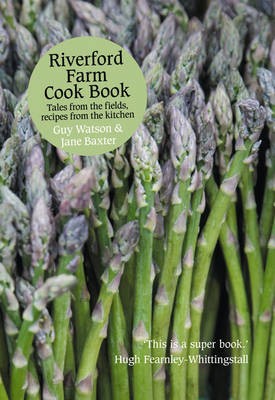
Today I am making a surprisingly filling fava bean and zucchini soup from the Riverford Farm Cookbook by Guy Watson and Jane Baxter (completely appropriate since the weather here is essentially English Summer weather). Guy Watson is the two-time BBC Farmer of the Year and 2012 Food Hero of the Devon Life, and his farm and veg-box distribution business has won a slew of other awards for having delicious organic and ethical food. He thinks about sustainability and ethics in food more than anyone else I’ve encountered. Here are excerpts from his “Ode to Dirt” in the cookbook:

The problem with soil is that, to the casual observer, it is an inert, uninteresting inconvenience that sticks to your shoes and threatens to pollute and infect your food. Few appreciate that this is where terrestrial life begins, that it supports myriad organisms, that it is being destroyed by modern farming and that it needs our stewardship every bit as much as the giant panda.

Soil sterilisation, as practised in greenhouses and strawberry growing, is one of the most hideous abuses of modern farming, virtually akin to Nazi book burnings in its reflection of the narrow-minded ignorance of its perpetrators.

A handful of healthy soil can contain millions of life forms from tens of thousands of different species, almost all benign or beneficial to us and our crops. Not only do they recycle organic matter, making nutrients available to plant roots, they also out-compete and even attack pathogenic bacteria, fungi, eelworms and slugs. Pesticides, fertilisers, animal wormers, excessive and poorly timed cultivation, compaction and poor drainage can all drastically reduce these populations, not by just a few per cent but by 10 or even 100 percent. Imagine the outcry from WWF if anyone could see the damage.

So often when you read about major problems in the world, the resolution seems impossible. But soil sterilization HAS a solution. Guy Watson and other conscientious farmers produce food every year without resorting to eliminating the variables in soil that they don’t fully understand. Even if you are still trying to find your own Guy Watson-level supplier, knowing that there are farmers considering themselves stewards of soil rather than as eradicators of pests is as comforting as eating soup.

Fava Bean and Zucchini Soup (Adapted from Guy Watson/Jane Baxter's Recipe)

Serves 4 (3 in my house as the main course)
1 onion, chopped
2 garlic cloves, crushed
2 Tbsp. olive oil, plus an extra splash to serve
2 medium-sized zucchini, grated
2 cups vegetable stock
+/- 14 oz. fava beans (I buy the 28 oz. frozen Goya packages)
small bunch of mint
small bunch of basil
salt and pepper, to taste
grated Parmesan cheese, to serve (I substituted Asiago to good effect)
If you are using frozen fava beans, boil a small pot of water first. After the water has reached a rolling boil, add the fava beans. When all the beans float to the surface, drain the water off in a colander, and run cold water over the beans to keep them from cooking longer. Peel the coats off the beans while your other vegetables sweat in the next steps.

Frozen Favas
Frozen fava beans, just after being added to boiling water

Floating Favas
When the beans rise to the surface, they're ready to be shelled

Drained Fava Beans
Another way to tell they'll be easy to shell is when you can see the bright green bean pushing through its coat

Shelled Fava Beans
Once the coats are off, fava beans look much more appetizing

If you are using fresh fava beans, simply shell and de-coat them while you're following the directions for vegetable sweating (below).

In a saucepan, sweat the onion and garlic in the olive oil for 10 minutes until the onions are soft. (Medium low heat, stir everything enough so nothing browns.) Add the grated zucchini to the pan, stir a bit, and then cover for another 10 minutes of sweating.

Onions Grated Zucchini

Add the vegetable stock and fava beans, and simmer for 10 minutes until the beans press apart when you press them against the side of the pan.

Using an immersion blender, purée the soup to your desired consistency. The Riverford Cookbook recommends keeping two thirds of the soup solid; when I made the soup last I made mine all liquid.

When you are ready to serve the soup, chop the leaves of both herbs (there will be edge browning if you do this too early). Drizzle some olive oil in each bowl, and add the herbs and hard cheese. I prefer the soup warm, but it tastes good at room temperature as well. Fava Bean and Zucchini Soup

Sunday, July 14, 2013

Cookery Bookery: Twenty-Dollar, Twenty-Minute Meals, by Caroline Wright

Title: Twenty-Dollar, Twenty-Minute Meals: For Four People
Author: Caroline Wright
Publisher: Workman Publishing
Publication Year: 2013
Read: June 2013
Where It Came From: Complimentary copy from Book Expo America*
Genre: Cooking
Rating: 3.5 Stars

And now for a cookbook review! This little guy (well, okay, not LITTLE little, but small for a cookbook. It’s about the same size as a trade paperback novel) was sent to me by Susan, and she acquired it at BEA. It doesn’t appear to be an ARC—looks like the real thing! I’ve had it for a couple months now and have had time to peruse it and make a couple of the recipes, and feel comfortable talking about it.

If you’re strictly a meat-and-potatoes sort of person, this may not be the cookbook for you. A lot of the food in here is to the tastes of the new guard of cooking, popularized by prominent cooking blogs and such—kale, goat cheese, broccoli rabe, things like that. Yuppie food, some might call it. I’m all for this sort of thing (the more interesting ingredients, the merrier!), but it’s probably not the sort of thing most of our grandmothers would go for. Unless you have a really hip grandmother.

It’s got all the hallmarks of modern home blog cooking (different from the camp of celebrity chef home cookbooks, dontcha know)—beautiful photography, interesting ingredients in unique combinations, and a friendly, informal voice. (The one hallmark it seems to be missing is the personal storyish header notes that often introduce recipes in the cookbook-coffee-table-photography-book-personal-food-writings-all-in-one type of cookbooks very popular on the market today. This makes sense, though, as its goals are for delicious, but also speedy meals). So let’s move on to…

The Positives

As I mentioned before, the photography is gorgeous. That, combined with the recipe titles, resulted in a Pavlovian drool response to just about everything in the book. Even foods I don’t normally like (like the evil eggplant) looked good!

Another good thing is the range of recipes. If you want to make some awesome cakes you’ll probably buy a book specifically about cakes with only cake recipes CAKE CAKE CAKE, but if you’re looking to make quick, inexpensive family meals, you’re going to want some options. And this book has got a little of everything—salads, soup, sammiches, pasta, pizza (!), eggs, meats, vegetarian, and desserts. And let's talk about those desserts for a moment…burnt caramel pudding with toasted almonds? Toasted brioche with lemon curd and black peppered berries? Dark chocolate gelato buttermilk milkshakes? Yes, PLEASE.

Another thing I really like is that below most recipes, there are suggestions for another version of a recipe, substituting slightly different main ingredients. For example, for the recipe for tomatillo huevos rancheros, the author suggests also trying it with plum tomatoes (filling in for tomatillos), pinto beans (subbed in for black beans), and cheddar cheese (instead of pepper jack). Sure, one could probably invent variations like that on their own, but it’s a nice time saver to have some already thought up and written out for you, too.

And lastly, the ingredients themselves are a big positive, for me at least. I love kinda weird and unique ingredients, and am lucky enough to live in a big city where I can usually locate them without too much trouble. If you’re into more standard, less adventurous food, or live in a place where it’s hard to come by more unusual ingredients, this might not be a positive for you. And that’s okay! I do think this book contains a lot of recipes that could appeal to that sector of the eating populace, and also ones that are just different enough that it could push less adventurous eaters in the direction of trying some different kinds of food, but the recipes might not appeal to everyone. I mean, there aren’t any chicken feet or animal innards recipes, but there is a lot beyond your standard fare in here.

The Less Positives

As I’ve said, depending on your personal tastes, this might not be the one for you. That being said, for me there were even some ingredients I’d never heard of and would have no idea where to find. I am not the foodiest of foodies, so I had no idea what ramps are, or bresaola, or Szechuan peppercorns. But in most cases where there was an ingredient I hadn’t heard of, there was an arrow indicating a good, more pedestrian substitute (green onions for ramps and prosciutto for bresaola, in case you were wondering). And sometimes there are indications about where to look for certain ingredients (you can find haloumi, a kind of hard cheese, at specialty food markets, apparently). So I guess this less-positive is actually a real positive. Good work, author!

Another thing some people might not like is that there is no listing of ingredients—they just appear highlighted in yellow within the recipe itself. There is also no total cooking time or serving number/size listed, but that’s probably because it is listed in the title itself—20-minute meals for 4! Which brings me to my last less-positive…

It took me much longer than 20 minutes to make the dinner recipe I tried. Granted, I am not the fastest chef in the world. I like to take my time. But still! Some of the recipes, yes, I think 20 minutes is enough time to get them done. Others? If you’re not a kitchen pro with all your ingredients prepped and ready to go, I think it might be difficult to get a them done within that time frame. Also, the meals for 4 thing—these are probably the FDA-approved meal sizes we’re talking about here, but in reality I think the portions might be on the small side for the hungrier of us humans.

Overall, I am happy to have this cookbook in my arsenal. It probably won’t become part of my core cooking references, but it will be fun to dip into from time to time to liven things up. Especially with those fantastic sounding desserts!

And now for recipe time!


 photo photo2_zpsf8042c39.jpg

Sweet Sausage, Bean, and Kale Stir Fry

(Adapted from Caroline Wright’s “Roasted Sausage with Warm Bean + Kale Salad” in Twenty-Dollar, Twenty-Minute Meals)

Ingredients:
1 Tbsp. olive oil
1 pkg. (or 4-5, if you’re buying them fresh) sweet Italian sausages
1 bunch of kale
2 garlic cloves
1 can (15 oz.) cannellini beans or great northern beans
1 Tbsp. fresh lemon juice

  1. Heat the 1 Tbsp. olive oil in a frying pan large enough for all the ingredients to fit in together. The kale will shrink, but you still want there to be enough space to stir everything around without sending anything overboard into the no-man’s land beneath the burner.
  2. Add the sausages (defrosted first, if you bought them frozen), and fry them until brown on the sides and cooked most of the way through.
  3. While those are sizzling, wash the kale and strip the leaves from the thick center rib. Discard that rib, and rip the kale up into bite-sized pieces. After that, you can slice the 2 garlic cloves and drain and rinse the beans. (Note on beans: I couldn’t find cannellini beans and used great northern instead, but the beans ended up turning to mush. Tasty mush, but mush nonetheless. Cannellini beans are better able to hold their shape while being cooked, so given the choice, those would be the better of the two.)
  4. When the sausages are pretty much done, you can remove them from the pan and set them aside for the moment. A lot of grease will probably have come out of them, and that is what we will fry the veggies in. Add the garlic and stir over heat until fragrant, and then add the kale. Once the kale turns bright green and a little wilty, you can dump the beans in, too.
  5. While that’s warming up, slice the sausages diagonally across into bite-sized pieces. You can then add these back to the pan and stir everything together.
  6. Continue cooking until the sausage is finished cooking through (no longer pink in the middle) and the veggies are warm.
  7. Remove from heat and dress with the lemon juice. Serve and enjoy!

While it may have taken over 20 minutes, this one did indeed cost less than $20 to make. There were a couple extra steps involving more oil, an anchovy, and baking in a oven that I altered or skipped for simplicity’s sake. Very tasty! Even my anti-kale cousin said the other flavors sent the kale-iness of the kale into the background enough for her to be able to enjoy the dish.

 photo photo_zps8970aaf5.jpg

Also, just for fun, here is the lemon posset I made from the recipe in the book! Very refreshing for summer. I think it would also taste good in a pink grapefruit version. Mmm…

 photo photo3_zpsb7f50235.jpg

*As ever, much as we are grateful for the copy, our review is uninfluenced by its source.

Monday, May 13, 2013

Library Haul Update: April

I can’t believe this, but a month has passed since I shared my library haul with you, and the books’ due date has come.

As you may remember, my haul separated into four general classes of books:

  1. Cookbooks
  2. Light Classics
  3. YA Fiction
  4. Audiobook Nonfiction

And my guess was that I would spend two months enjoying the food-porn, two months reading the light classics, one month speeding through the YAs, and listen to the nonfiction while jogging.

Progress Report:

Audiobook Nonfiction

The exercise thing hasn’t happened, so audiobook progress has been slower than hoped. To my credit, I did listen to some poems in The Caedmon Poetry Collection: A Century of Poets Reading Their Work.

My assessment so far is that hearing some poets reading can make a poem clearer. For example, one track is Dylan Thomas reading “Do Not Go Gentle Into That Good Night,” and I can only wish that the Matched author had listened to it. As much as the poem is saying to “Rage, rage against the dying of the light,” Thomas does not read it with the violence you might expect. It’s not that Dylan Thomas can’t make an angry voice—his tone is very forceful as he reads “A Refusal to Mourn the Death, by Fire, of a Child in London.” His reading instead draws attention to the grief of watching his father die.

Some other poets though can’t hide that their poems are not meant for oral reception as much as they’re meant for seeing on a page. Case in point, “The DNA Molecule” by May Swenson (1968). I listened to the poem a few times and it sounded too much like a science lecture for me to figure out what was going on. Reading it myself hasn’t necessarily resulted in my sudden comprehension of it, but seeing the undulating shape helps me not reject the whole thing as gibberish. The poem is interesting enough that I urge—no, beg—you to follow me to another post and chat about it.

Final thoughts on the Poetry Collection: Robert Graves has the exact dialect you would expect an English classicist to have; I would never have crossed paths with most of these poems if they weren’t in line on my playlist, and Carl Sandburg is too gravelly-voiced to make “Fog” sound like fun for children to read (which it totally is).

Related Posts Plugin for WordPress, Blogger...